RevOps Strategy
Why Board Reporting Feels Like a Fire Drill Every Quarter
The numbers usually aren't the problem -- the scramble to assemble them from disconnected systems is. Here's the fix.
Tactical guides, strategies, and deep dives on HubSpot, RevOps, AI, and building scalable B2B growth engines in 2026.
The numbers usually aren't the problem -- the scramble to assemble them from disconnected systems is. Here's the fix.
The intake, automation, and documentation fixes that get RevOps out of Slack tickets and back into strategic work.
The 5-stage framework from ad hoc AI experiments to an AI-first revenue engine -- and why skipping stages backfires.
What each role actually owns, why GTM Engineering emerged, and which one to hire first.
Where AI SDR agents genuinely work, where they fail, and the hybrid model outperforming both extremes.
Spray-and-pray outbound is losing ground to teams acting on buying signals the moment they happen. Here's how allbound GTM actually works.
What Clay is, how waterfall enrichment works, and how to connect it to HubSpot for automated prospecting.
What agentic AI actually means, how HubSpot's Breeze Agents compare to Salesforce, and which fits growing revenue teams.
A breakdown of HubSpot's biggest 2026 releases and what RevOps teams should actually adopt first.
What replaced Commerce Hub, how CPQ-to-cash works inside HubSpot, 2026 pricing, and whether your team should implement it.
Most 20-person SaaS teams have invisible pipeline handoffs and no trial-to-close visibility. Here is what a properly configured HubSpot RevOps system looks like at this stage.
Staffing agencies have two pipelines: clients and candidates. Standard CRMs are built for one. Here is what a HubSpot implementation built specifically for staffing looks like.
Professional services firms have relationship-driven sales, multi-stakeholder deals, and no CRM. Here is what a properly structured HubSpot onboarding looks like.
Manufacturing companies have long sales cycles, complex quoting, and field reps with no CRM. Here is what a properly built HubSpot RevOps system looks like for a manufacturer.
Revenue operations for small consulting firms is not about adding headcount. It is about building a system that makes your pipeline visible and your follow-up automatic.
Accounting firms run on client relationships and annual service cycles. Here is what a properly configured HubSpot CRM looks like for a CPA firm or bookkeeping agency.
This is not a features debate. It is a fit question. Here is how to decide which CRM is right for your B2B team based on stage, team size, and go-to-market motion.
Two systems. One source of truth. Usually neither. Here are the five integration problems that surface every time teams run both CRMs in parallel.
Breeze Copilot, predictive lead scoring, data enrichment. Here is what HubSpot's AI features actually do for B2B revenue teams and what still requires a human.
Migration is not just moving data. It is re-designing your revenue process for a new system. Here is what the project actually involves, phase by phase.
Operations Hub is HubSpot's most overlooked product. Here is what bidirectional data sync, programmable automation, and data quality tools actually do for RevOps teams.
The 8 templates every B2B sales team needs, how to build in personalization placeholders reps actually use, and the quarterly review process that keeps the library current and effective.
A shared MQL definition, lead scoring model, follow-up commitments, disqualification feedback loop, and the monthly review dashboard that holds both teams accountable to the same data.
How to build discovery, objection handling, and qualification playbooks in HubSpot that reps actually use — with field mapping, placement, and adoption metrics built in.
The three content tiers that drive pipeline in B2B, how to connect content to revenue in HubSpot, and the four metrics that replace sessions and pageviews as your content KPIs.
Field ownership rules, pre-integration checklists, conflict resolution settings, and the monitoring process that keeps your HubSpot records accurate across a multi-system stack.
Lead routing automation, speed-to-lead workflows, context-driven discovery calls, and the conversion metrics that connect your marketing investment to closed revenue.
How to structure your Products library, build branded quotes, configure e-signature and payment, and wire up the post-signature workflows that close deals and trigger onboarding automatically.
How to build a contact property structure, segmentation system, and list hygiene process that keeps your HubSpot database clean and useful as it grows.
A practical framework for pipeline hygiene, weekly deal reviews, and forecast categories that give leadership a reliable picture of revenue before the quarter ends.
How to configure SPF, DKIM, and DMARC for HubSpot, implement engagement-based suppression, and monitor the metrics that tell you if your sender reputation is healthy.
The four HubSpot systems that let agencies scale revenue without scaling headcount: new business pipeline, client onboarding automation, health scoring, and renewal management.
Naming conventions, the single-purpose rule, the five failure modes to prevent, and the quarterly audit process that keeps a growing workflow library maintainable.
A sales process is not a script. It is the documented system that turns qualified leads into closed deals consistently, regardless of which rep is working them.
Attribution tells you which marketing activity is actually generating pipeline. Here is how to set up attribution in HubSpot, choose the right model, and use the data to invest smarter.
Most teams cannot quantify what their CRM is actually delivering. Here is how to measure HubSpot ROI with the metrics that matter to leadership and build the case for continued investment.
HubSpot's Conversations tool turns your website into a real-time qualification and routing machine. Here is how to configure chatbots and live chat to capture more leads.
Most revenue teams track too many metrics and act on too few. Here are the RevOps KPIs that predict performance and how to build them in HubSpot.
Most B2B forms ask too much and deliver too little. Here is how to design HubSpot forms that capture the data you need while maximizing the number of qualified buyers who complete them.
A go-to-market strategy is not a launch plan. It is the operating system that decides who you sell to, how you reach them, and how your revenue motion scales.
HubSpot meeting links eliminate the back-and-forth that kills momentum in B2B sales. Here is how to set them up, route them, and connect them to automation that makes every booked meeting count.
Customer success is not support. It is the proactive system that ensures your customers achieve value, stay, and grow. Here is how to build that motion inside HubSpot.
The properties you build in HubSpot determine what you can automate, report on, and act on. Here is how to design a property structure that supports your entire revenue operation.
Most B2B sales forecasts are wrong and everyone knows it. Here is how to use HubSpot forecast categories, calibrated stage probabilities, and a weekly cadence to produce accurate numbers.
Dirty CRM data is not a data problem. It is a process problem. Here is how to audit, prioritize, and fix HubSpot data quality issues without deleting records and losing your history.
HubSpot Free is genuinely useful. But there is a specific point where the limits cost more than the upgrade. Here is the tier comparison that actually matters for B2B teams.
Sales enablement is not a content library. It is the system that puts the right asset in a rep's hands at the exact moment they need it. Here is how to build it in HubSpot.
Lifecycle stages are the backbone of your HubSpot CRM. When they are set up correctly, segmentation, reporting, and automation all work. When they are not, nothing does.
Service Hub is where post-sale revenue lives. Here is what each tier includes, when the investment makes sense, and how to connect it to your CRM and sales pipeline.
ABM is not a technology. It is a go-to-market motion. Here is how to build target account programs in HubSpot that align sales and marketing around your best-fit accounts.
Most HubSpot portals have reports nobody reads. Here is how to build the sales, marketing, and leadership dashboards your team will actually use to run the business.
More leads is not the goal. More of the right leads, fast, is the goal. Here are the five channels and the lead infrastructure that produce pipeline worth closing.
Email is still the highest ROI channel in B2B. Here is how to use HubSpot to build campaigns that reach the right people, get opened, and actually convert to pipeline.
Marketing Hub is where demand generation and CRM become the same system. Here is what each tier includes and when the upgrade is worth it.
A list is only as good as the criteria that built it. Here is how to segment by firmographics, persona, lifecycle stage, and behavioral intent.
Most HubSpot portals have broken workflows, duplicate properties, and deliverability damage they do not know about. Here is how to find and fix them.
You do not need a RevOps team to do RevOps. Here is what to build first in HubSpot so you can scale without chaos at Series A and beyond.
Inbound is not a content strategy. It is a revenue strategy. Here is how B2B teams use HubSpot to attract, convert, and close leads through content, SEO, and automation.
Sales Hub is not a feature list. It is a motion. Here is what each tier includes and when the investment is justified for your team.
A deal stage is a commitment, not a folder. Here is how to design stages, automate follow-up, and get pipeline reporting that actually means something.
What you measure is what you manage. Here are the RevOps KPIs that actually predict revenue: pipeline velocity, conversion rates, CAC payback, and forecast accuracy.
Sequences are for sales reps. Workflows are for the system. Here is how to know which tool to use and how to combine them for the best results.
CRM adoption failure is almost never about the technology. Here is what actually drives sales teams to use HubSpot and what makes them stop.
Most HubSpot lead scoring setups reward the wrong behavior and get ignored by sales within 60 days. Here is how to build a model that actually drives action.
RevOps is not a job title. It is a way of running your revenue engine. Here is what it means and how to structure your team at each stage of growth.
Six workflows running 24/7 is worth more than 50 campaigns you manually send. Here are the sequences every B2B team should have in HubSpot.
Bad data is not a CRM problem. It is a process problem that shows up in the CRM. Here is how to clean your HubSpot data and keep it clean.
A dashboard that shows activity is not a revenue dashboard. Here is how to build the reports B2B teams actually need: pipeline health, attribution, and forecasting.

The sales-marketing gap is a systems problem, not a culture problem. Here is how a structured CRM implementation fixes it permanently.

Small teams need a CRM that works on day one. The four setup decisions that determine whether your HubSpot implementation sticks or gets abandoned.

The 6 best CRM implementation services for SaaS teams, ranked by HubSpot expertise, technical depth, and speed to value.

A practical framework for evaluating GTM automation partners before you sign — criteria, red flags, and questions to ask.

When native connectors aren't enough — services built for bidirectional sync, custom objects, and API-level integration.

Build the data model and integration topology first. Configure the tool second. Most companies do this backwards — here's the correct sequence.

Fix the data architecture upstream, then build the reports. Dashboards leadership trusts start with process enforcement.
Not enterprise complexity. Not retainer-heavy agencies. Partners who build lean GTM automation that small teams can actually maintain.

30–70% of CRM projects fail to meet their goals. The tool is almost never the reason — here's what actually goes wrong.

CRM adoption is a design problem, not a training problem. The 7 mistakes that explain why your team isn't using the system.

The revenue leaking between your tools isn't recoverable. Here's how to find and fix your biggest GTM automation bottlenecks.
The sales-marketing conflict is almost never a culture problem. It's a data problem. Here's how a well-implemented CRM resolves it permanently.
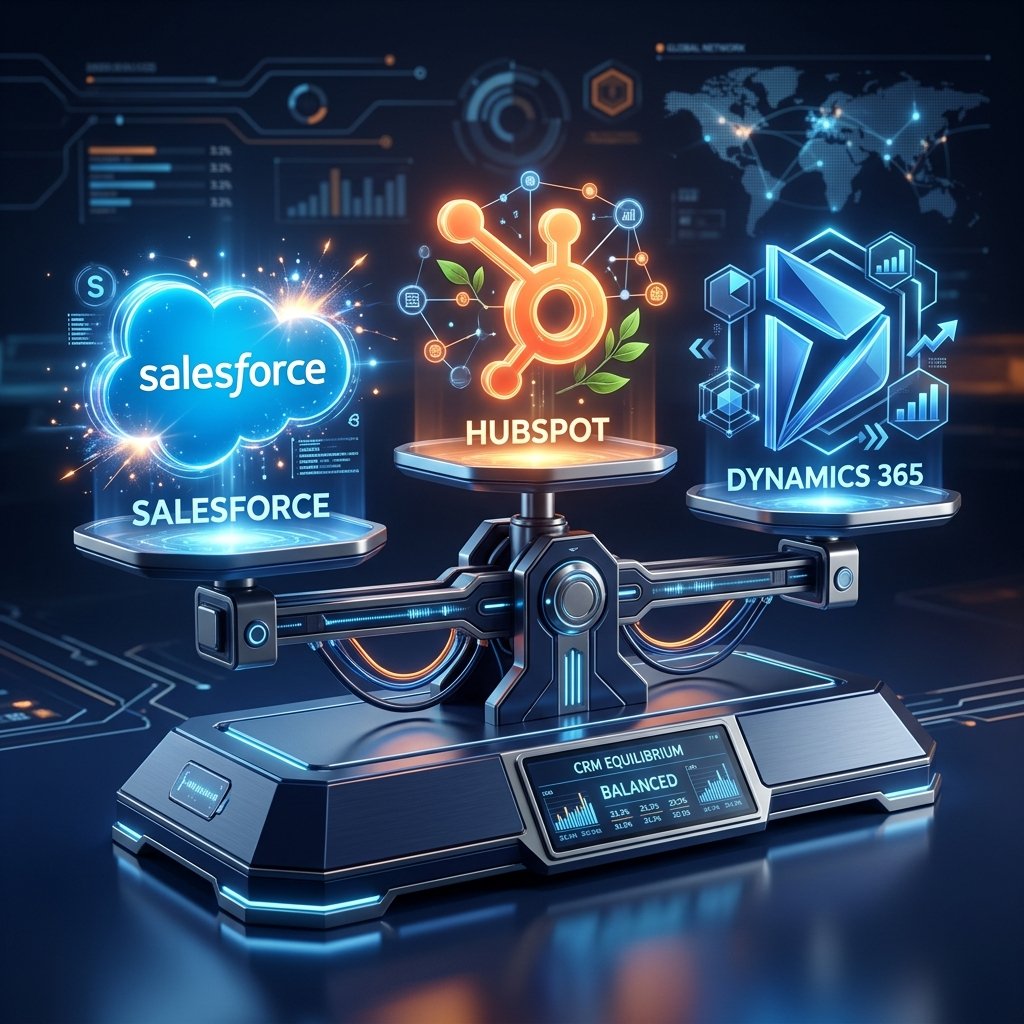
Choosing a CRM is a 5-year commitment. Compare pricing, data architecture, and ease of use to find the right growth engine for your SMB.

Discover the exact technical and psychological framework we used to pull a B2B SaaS company out of the spam folder and triple their engagement.

Buying HubSpot is only step one. Here is the exact 4-week implementation roadmap to get your team trained, your data mapped, and your portal live.

From messy custom properties to ghost workflows. Discover the top 5 architectural mistakes companies make in HubSpot and how to fix them.
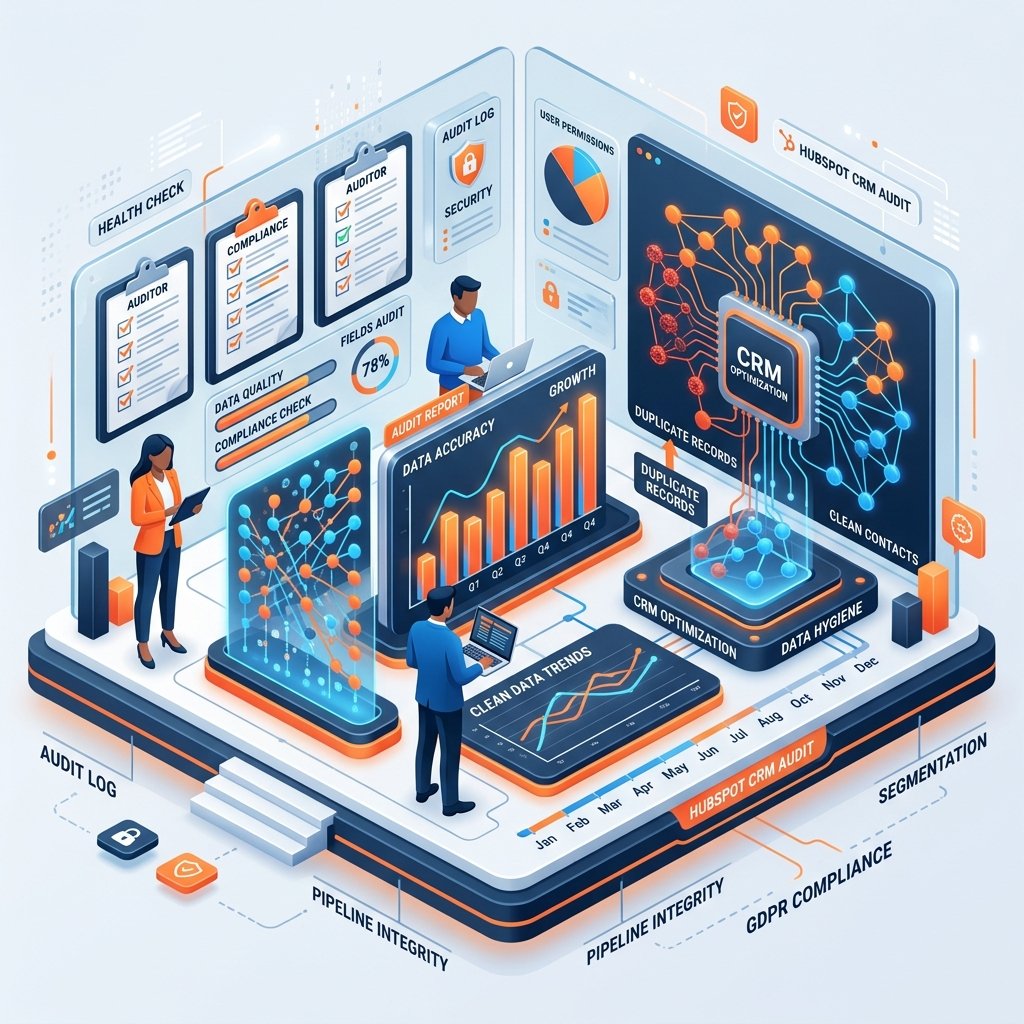
Stop building on a broken foundation. Here is the ultimate 9-point HubSpot audit checklist to clean your CRM and prepare for scale.
Migrating from Salesforce to HubSpot is risky. Learn the exact architecture mapping and data validation steps to ensure a flawless transition.
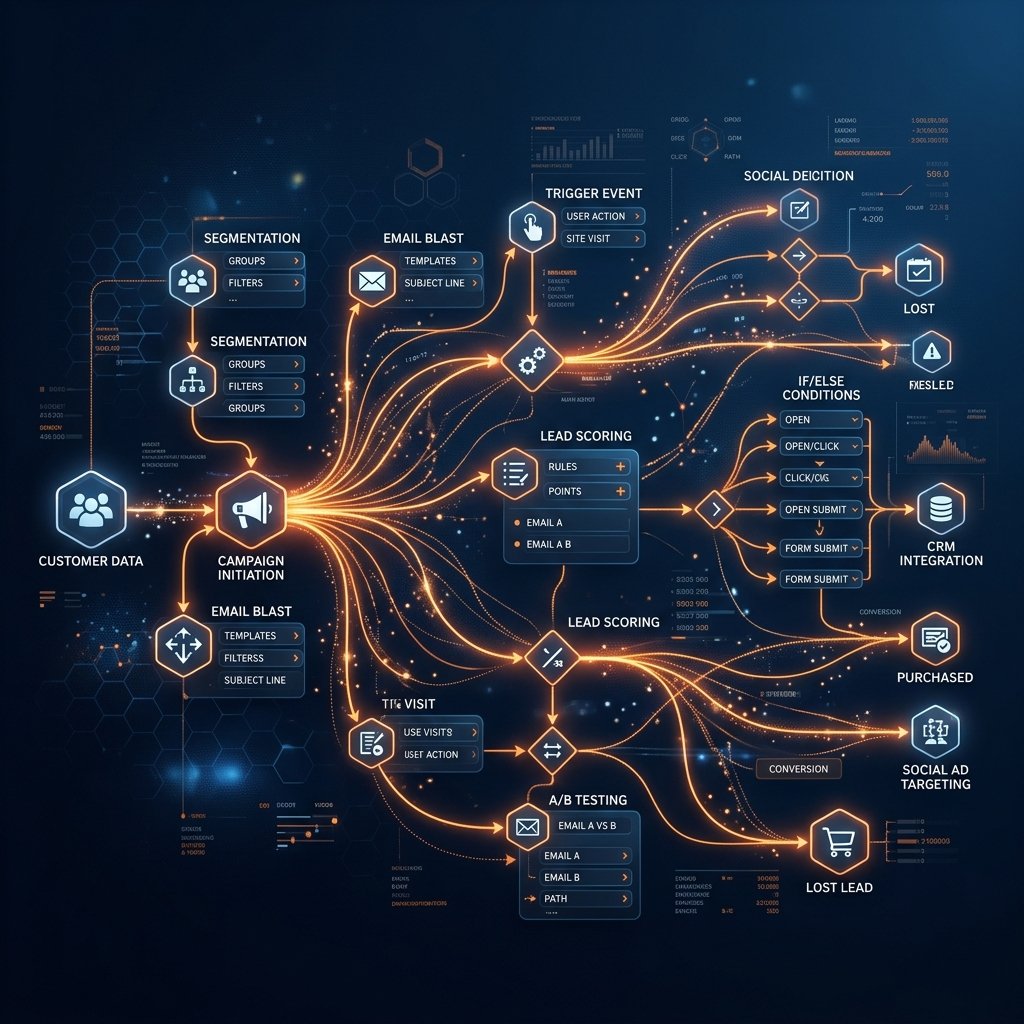
Automation is the key to scaling without increasing headcount. Discover the 10 essential HubSpot workflows that drive revenue and save hours.
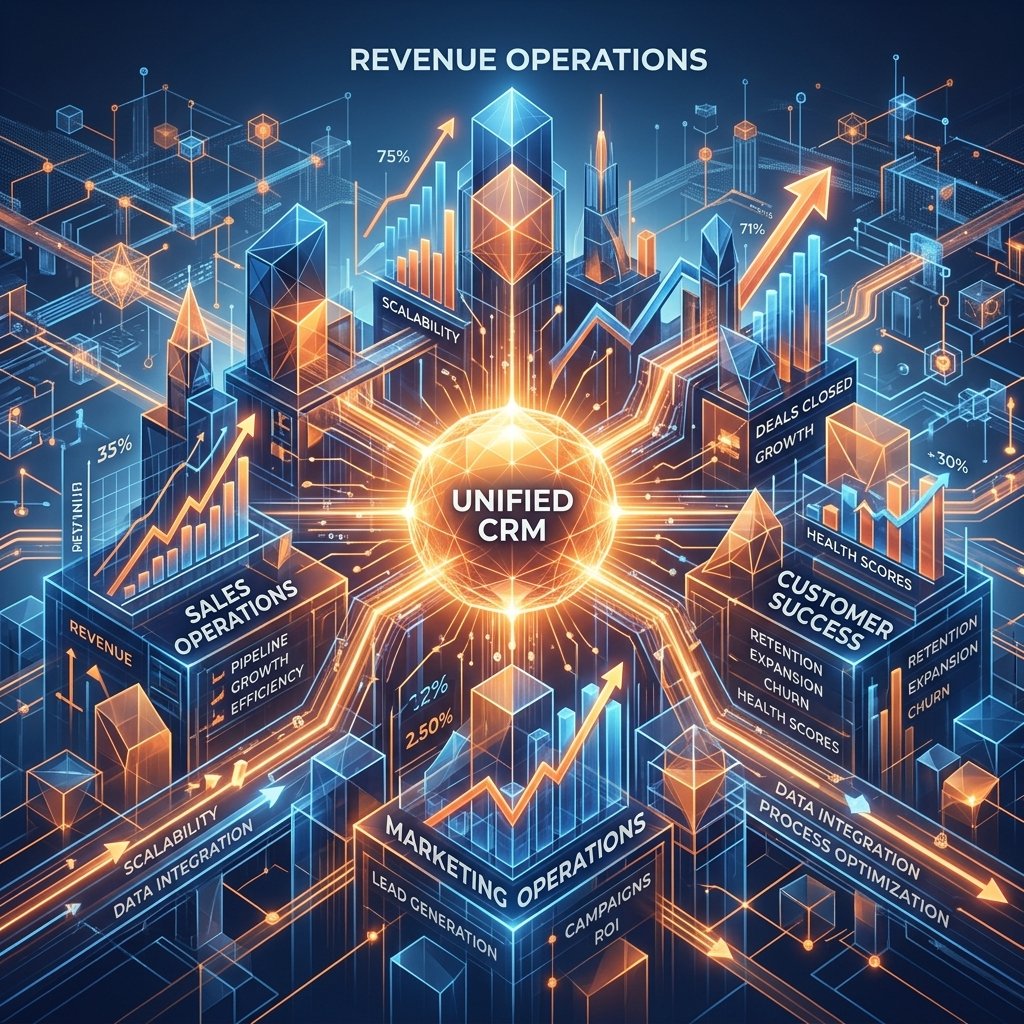
Revenue Operations isn't just for enterprise. Learn how SMBs use HubSpot to align sales, marketing, and success under a single unified data model.

Predictive lead scoring is great, but AI applied directly to CRM enrichment and conversation intelligence is where true 2026 growth happens.

The systems that got you to $1M will break at $10M. Here is the exact architectural blueprint to reconstruct your revenue operations so you can actually trust your dashboards.

Most agencies focus entirely on client delivery while their own internal sales process falls apart. It's time to build an automated client acquisition engine.
Also explore
Related Services